- 100% Secure delivery without contacting the courier
Need help? Call Us: 01982-802665


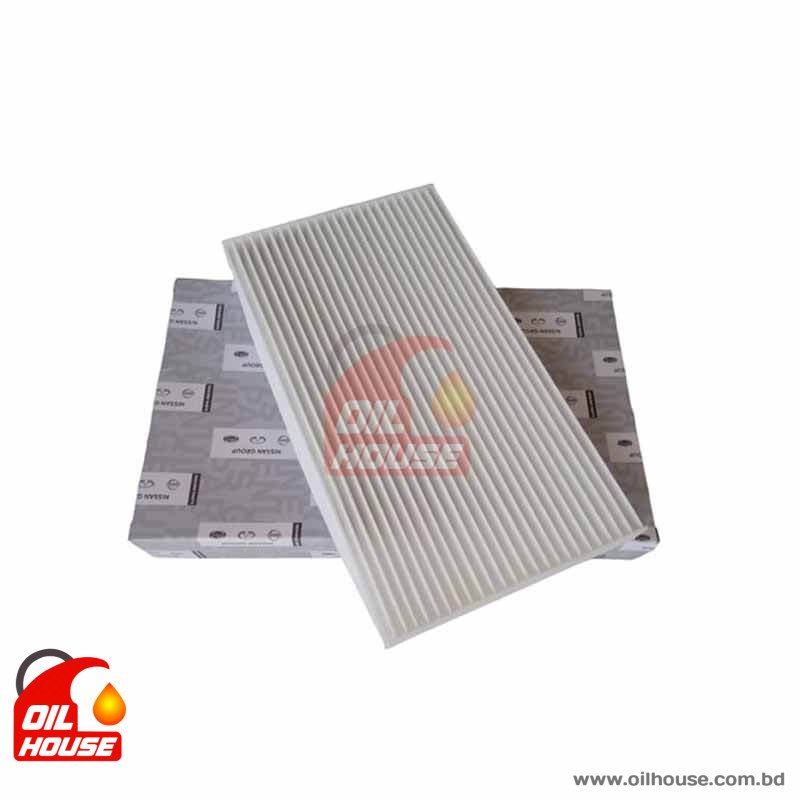
৳900
The NISSAN OEM CABIN FILTER EN000 is a premium factory-grade passenger compartment air filtration element engineered specifically for specific Nissan luxury and commercial platforms. Manufactured to strict factory equipment specifications, this cabin filter blocks harmful airborne environmental pollutants, microscopic dust, vehicle exhaust soot, and outdoor allergens from entering the vehicle’s interior ventilation and air conditioning system. Designed with highly efficient multi-layered filter media, it maximizes fresh, clean air circulation inside the cabin to protect the health of passengers while ensuring the optimal heating and cooling performance of the climate control assembly.
Safeguard your vehicle’s interior environment and maintain a clean, breathable atmosphere with the NISSAN OEM CABIN FILTER EN000. Unlike lower-grade generic aftermarket filters that allow fine road dust and soot to bypass the ventilation tract, this factory equipment manufacturer element features a precision-molded frame and deep-pleated filtration layers that create a complete defense line inside your HVAC housing box. It traps invisible pollen particles, road grit, and fine debris before they can accumulate on your air conditioning evaporator core or coat your interior dashboard surfaces, ensuring a consistent supply of clean air throughout the passenger cabin.
Critical Fitment Note: This passenger cabin air filter features a specific dual-layer or single rectangular frame size engineered strictly for the executive sedans and early crossover platforms running the chassis lines listed above. It will not fit smaller compact hatchbacks, regular commuter models (such as Nissan Sunny, Tiida, Wingroad, or X-Trail), or newer generations like Teana J32/L33. Please verify your chassis code or share your vehicle details with our team before purchasing to guarantee absolute fitment.
The extreme road dust and heavy environmental pollution in Bangladesh cause passenger cabin air filters to clog rapidly. When micro-debris restricts the climate control intake track, the air conditioning system receives less airflow, leading to reduced cooling performance, a musty interior odor, and increased strain on your blower motor.

